
The retail landscape has undergone significant changes in recent years, driven by evolving consumer expectations, advancements in technology, and the rise of e-commerce.
At the heart of these transformations is the Point of Sale (POS) system. Once limited to simple cash registers, modern POS systems have become powerful, all-in-one tools that are revolutionizing how retailers manage operations, interact with customers, and drive growth.

1. Seamless Customer Experience
A smooth and efficient customer experience is no longer a luxury—it’s a necessity. POS systems are at the forefront of enhancing customer satisfaction, streamlining interactions, and making the shopping experience faster, more personalized, and hassle-free.
- Faster Checkouts: One of the most noticeable improvements enabled by POS systems is faster transactions. Whether it’s through barcode scanning, mobile payment options, or integrated card processing, checkout is quicker, reducing wait times and improving the overall customer experience. Happy customers are more likely to return, making this one of the key drivers of customer loyalty.
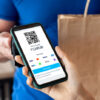
- Mobile POS (mPOS): For businesses operating in crowded retail environments (such as pop-up shops or events), mobile POS systems allow employees to process transactions anywhere in the store. This mobility reduces the need for customers to wait in line, providing a more efficient and flexible service experience.
- Personalized Service: By integrating customer data, POS systems can help businesses provide tailored recommendations and loyalty rewards based on purchase history and preferences. Personalized service not only enhances the shopping experience but also fosters stronger customer relationships.
2. Streamlined Inventory Management
One of the most significant ways POS systems are transforming retail is through automated inventory management. Gone are the days of manually tracking stock levels and relying on guesswork to reorder products. Modern POS solutions offer:
- Real-Time Inventory Updates: POS systems automatically update inventory levels as sales are made, ensuring retailers always have accurate data on stock availability. This reduces the chances of stockouts and overstocking, helping businesses maintain the right balance of inventory.
- Automated Replenishment: Many POS systems are integrated with inventory management tools that trigger automatic reorders when stock reaches a predefined threshold. This reduces the administrative burden and ensures that popular items are always available for customers.
- Inventory Insights: Retailers can run detailed reports to see which products are selling well and which are underperforming. This data helps in making smarter purchasing decisions and eliminating slow-moving inventory.
By streamlining inventory processes, POS systems help businesses improve efficiency, reduce waste, and optimize stock levels, leading to better profitability.
3. Data-Driven Insights for Better Decision-Making
Today’s retail environment is driven by data. POS systems offer detailed analytics that can help businesses make informed decisions across various aspects of their operations:
- Sales Trends and Performance: POS systems provide comprehensive sales reports that help businesses track sales performance by product, time of day, or even by individual employee. This data makes it easier to identify top-performing products, spot trends, and plan for seasonal demands.
- Customer Behavior: With integrated CRM (Customer Relationship Management) tools, POS systems can track customer preferences and purchasing patterns. Retailers can use this data to offer personalized promotions, build targeted marketing campaigns, and improve overall customer engagement.
- Employee Productivity: Many POS systems also come with features that track employee performance, such as sales per hour or transaction processing time. This data helps businesses evaluate employee productivity, optimize staffing, and improve operational efficiency.
With these insights, retailers can optimize everything from marketing strategies to inventory management, leading to smarter, data-driven decisions.
4. Increased Payment Flexibility
As consumer preferences evolve, so too does the need for flexible payment options. Modern POS systems offer a variety of payment methods that cater to the diverse needs of customers, including:
- Contactless Payments: The rise of contactless payment methods such as Apple Pay, Google Pay, and contactless cards has made transactions faster and more secure. POS systems that support these technologies can help retailers meet customer demand for quick and convenient payment options.
- Buy Now, Pay Later (BNPL): Integrating services like Klarna, Affirm, or Afterpay into POS systems enables customers to pay for products in installments. This payment flexibility encourages customers to make larger purchases and enhances their overall shopping experience.
- Multi-Currency and Global Payments: For retailers with international customers or online stores, POS systems that support multiple currencies allow businesses to expand their reach and cater to a global market with ease.
The ability to accept a wide variety of payment methods not only meets consumer expectations but also drives higher sales and reduces cart abandonment.
5. Omnichannel Integration
The boundaries between in-store and online shopping are increasingly blurred. Consumers expect a seamless shopping experience regardless of where they shop. POS solutions that offer omnichannel integration allow businesses to meet this demand by connecting physical stores with online sales channels.
- Unified Inventory: Retailers using integrated POS systems can sync their online and offline inventories, ensuring that product availability is accurately reflected across all sales channels. This allows customers to check product availability online before heading to the store, or even choose the option to buy online and pick up in-store (BOPIS).
- Customer Data Synchronization: Customer information, loyalty points, and transaction histories are synced across both physical stores and e-commerce platforms. This creates a consistent experience for customers, regardless of how they engage with your brand.
- Seamless Return Processes: With an omnichannel POS system, customers can return items purchased online in-store, or vice versa, creating a hassle-free return process that boosts customer satisfaction and retention.
Omnichannel integration empowers businesses to create a consistent and unified customer journey, which is essential in today’s retail environment.
6. Enhanced Security and Fraud Prevention
Security is a top priority for both retailers and customers. Modern POS systems offer advanced security features to protect sensitive customer data and prevent fraud:
- Encryption: POS systems ensure that all payment data is encrypted, ensuring that credit card information and personal details are securely transmitted and stored.
- PCI Compliance: Many POS solutions are PCI DSS (Payment Card Industry Data Security Standard) compliant, ensuring that businesses meet the highest security standards for handling payment data.
- Fraud Detection: Advanced POS systems come with built-in fraud detection tools, such as real-time alerts for suspicious transactions and the ability to block unauthorized access to the system. This helps businesses reduce the risk of financial loss due to fraudulent activities.
Investing in a secure POS system protects your business, customers, and brand reputation while also reducing the risk of costly security breaches.
7. Scalability and Flexibility for Business Growth
As your retail business grows, your POS system should be able to scale alongside you. Modern POS solutions are designed with scalability in mind, allowing you to easily expand your operations without the need for complex IT infrastructure.
Future-Proofing: Many modern POS solutions are continuously updated with new features and technologies, ensuring that your system stays relevant and competitive as the retail landscape evolves.
Multi-Location Management: Businesses with multiple locations can use cloud-based POS systems to manage inventory, sales, and employee data from a single dashboard, regardless of location.
Flexible Software and Hardware: As your business needs change, POS systems allow you to add new features, integrate with third-party applications, or upgrade hardware to meet new demands—whether it’s adding self-checkout kiosks, integrating loyalty programs, or supporting mobile POS.