
In the fast-paced world of retail, efficiency and customer experience are paramount.
As businesses grow, it becomes increasingly important to streamline operations and make smarter decisions based on real-time data. One tool that can significantly enhance both of these aspects is a Point of Sale (POS) system.
While some small businesses may hesitate to make the initial investment in a POS system, the long-term benefits far outweigh the upfront costs. In fact, the right POS solution doesn’t just handle transactions—it can improve your overall business strategy, increase profitability, and future-proof your operations.
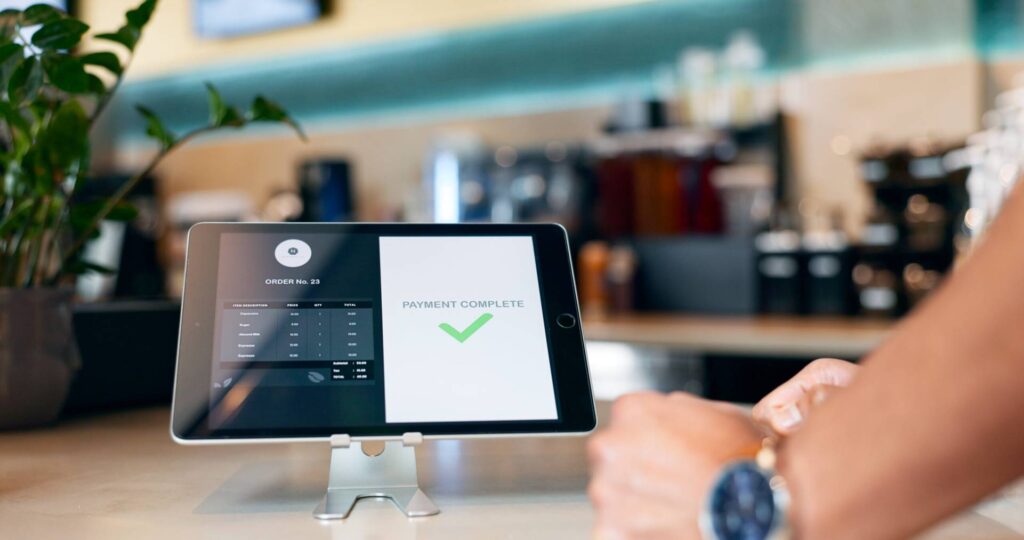
Let’s dive into why investing in a POS system makes financial sense in the long run and how it can help your business thrive.
1. Increased Efficiency and Time Savings
Running a business involves juggling multiple tasks—managing inventory, processing transactions, and tracking customer data, to name a few. Without the right tools, these tasks can quickly become time-consuming and prone to error.
A modern POS system automates and streamlines many of these tasks, saving you time and freeing up your resources for more important aspects of the business. For instance:
- Faster Checkouts: POS systems enable quick transactions with barcode scanners, mobile payments, and integrated credit card processing, reducing wait times and increasing customer satisfaction.
- Automated Inventory Management: With a POS system, inventory tracking is seamless. Stock levels are updated in real time as sales are made, so you always know what’s in stock and what needs to be reordered. This eliminates the need for manual inventory counts, reducing the chance of errors and stock discrepancies.
- Data Management: A POS system stores and organizes all your sales, inventory, and customer data in one centralized platform, making it easy to access when needed and eliminating the time spent on manual record-keeping.
By improving efficiency across various processes, a POS system helps you save valuable time, reduce manual labor, and boost productivity.
2. Enhanced Accuracy and Reduced Human Error
Manual systems—whether it’s writing down sales on paper or tracking inventory by hand—are prone to mistakes. Even a small error in pricing, inventory counts, or customer orders can lead to costly problems, from customer dissatisfaction to inventory shortages.
POS systems drastically reduce the chances of human error through:
- Automatic Calculations: POS systems instantly calculate sales taxes, discounts, and total amounts due, removing the risk of mathematical mistakes that could otherwise result in overcharging or undercharging customers.
- Accurate Inventory Tracking: Each sale is automatically recorded, and inventory levels are updated in real time, minimizing the chances of overstocking or understocking. You can also run reports to spot discrepancies, helping prevent losses due to errors.
- Eliminating Duplicate Efforts: With a POS system, there’s no need for manual data entry or paper receipts. Transactions are recorded automatically, reducing the chances of data duplication or missed entries.
In short, investing in a POS system ensures accuracy in every aspect of your business, from financial reporting to inventory management, helping you avoid costly errors.
3. Better Customer Service and Experience
Customer satisfaction is a key driver of business success. A POS system doesn’t just help streamline your backend operations—it also directly impacts the customer experience in a positive way.
- Faster Transactions: The faster customers can check out, the happier they are. POS systems expedite the transaction process, reducing long lines and wait times. Happy customers are more likely to return, improving retention rates.
- Personalized Service: With customer data integrated into your POS system, you can offer personalized recommendations, loyalty rewards, and special discounts based on their purchase history. This fosters a more intimate relationship with your customers, enhancing their overall shopping experience.
- Mobile and Contactless Payments: Modern POS systems allow customers to pay with mobile wallets (Apple Pay, Google Pay) or contactless cards, making the checkout process more convenient, secure, and hygienic—something that’s especially important in today’s world.
A POS system empowers your staff to provide quicker, more personalized service, ensuring that your customers leave satisfied and are more likely to return.
4. Improved Reporting and Data-Driven Insights
A POS system provides you with valuable business insights through reporting and analytics. These reports can help you make informed decisions about inventory, sales trends, employee performance, and more.
- Sales Reports: View detailed breakdowns of your daily, weekly, or monthly sales performance, helping you identify top-selling products, peak sales hours, and overall revenue trends. Armed with this data, you can adjust your marketing and pricing strategies to maximize profit.
- Inventory Insights: Analyze inventory turnover and stock levels, allowing you to better understand which products are in high demand and which are lagging behind. This helps with smarter purchasing decisions and better stock control.
- Employee Performance: Track sales made by individual employees, see who’s performing best, and identify training opportunities for underperforming staff. This also helps with payroll accuracy, as time clock features can automatically record employee hours.
By providing real-time data, POS systems give you the insights needed to make smarter, data-driven decisions that will drive growth and profitability.
5. Scalability as Your Business Grows
One of the key advantages of modern POS systems is their scalability. As your business grows—whether you’re opening additional locations, expanding your product offerings, or moving into e-commerce—a flexible POS system can grow with you.
- Multi-Location Support: With cloud-based POS solutions, you can manage all your locations from a single dashboard. Whether you have one store or multiple, you can view and manage inventory, track sales, and access reports from anywhere.
- E-Commerce Integration: Many POS systems seamlessly integrate with online stores, allowing you to manage both your brick-and-mortar and e-commerce sales from the same platform. This makes inventory management, order fulfillment, and customer data collection much easier to manage.
- Add-on Features: As your needs evolve, POS systems allow you to add new features or integrate with third-party tools—such as accounting software, marketing platforms, and customer loyalty programs—without the need to completely overhaul your system.
Investing in a POS system ensures that you can scale your operations efficiently and adapt to changes in your business environment, saving you from costly future technology upgrades.
6. Increased Profitability
Ultimately, the most compelling reason to invest in a POS system is its potential to increase profitability. By streamlining operations, improving accuracy, enhancing customer service, and providing valuable data insights, POS systems help businesses:
- Reduce Costs: Automating routine tasks like inventory tracking, payroll, and sales reporting reduces administrative costs and minimizes errors that can lead to lost revenue.
- Drive Sales: With better inventory management, personalized service, and loyalty programs, POS systems can directly influence customer spending and lead to higher sales volumes.
- Improve Cash Flow: Accurate reporting and better financial management lead to more effective budgeting, reduced waste, and improved cash flow.
By optimizing various facets of your business and eliminating inefficiencies, POS systems help you maximize profits over time.
7. Future-Proofing Your Business
The retail industry is constantly evolving, with new technologies and customer expectations emerging all the time. A modern POS system helps future-proof your business by providing flexibility and adaptability to meet changing market demands.
Integration with Emerging Tech: As new technologies, like blockchain, AI, or AR, become more integrated into retail operations, your POS system can evolve to incorporate these innovations, ensuring your business stays competitive in the long run.
Stay Ahead of Trends: With features like mobile payments, loyalty programs, and AI-driven analytics, POS systems ensure your business stays on top of current and future trends.